Introduction
In today's globe, where energy effectiveness is becoming a leading priority for property owners and services alike, the heat pump installation has actually become a smart option. Not only do heat pumps provide home heating throughout the cold months, however they can also effectively great spaces when temperatures rise. With developments in technology and expanding worries about ecological influence, selecting heatpump is not simply a fad; it's a mindful option in the direction of sustainability and savings.
But just what makes heatpump installation such a wise decision? This write-up digs deep right into the ins and outs of heatpump, discovering their benefits, installation processes, upkeep requirements, and exactly how they compare to typical heating approaches. Whether you're thinking about setting up one or just curious concerning exactly how they function, you remain in the best place.
Heat Pump Installment: A Smart Selection for Power Efficiency
When we speak about energy performance in heating and cooling down systems, heat pumps often entered your mind. They use electricity to transfer heat rather than creating it via combustion like traditional systems. This effective mechanism enables them to deliver up to three times much more power than they eat.
What Is a Heat Pump?
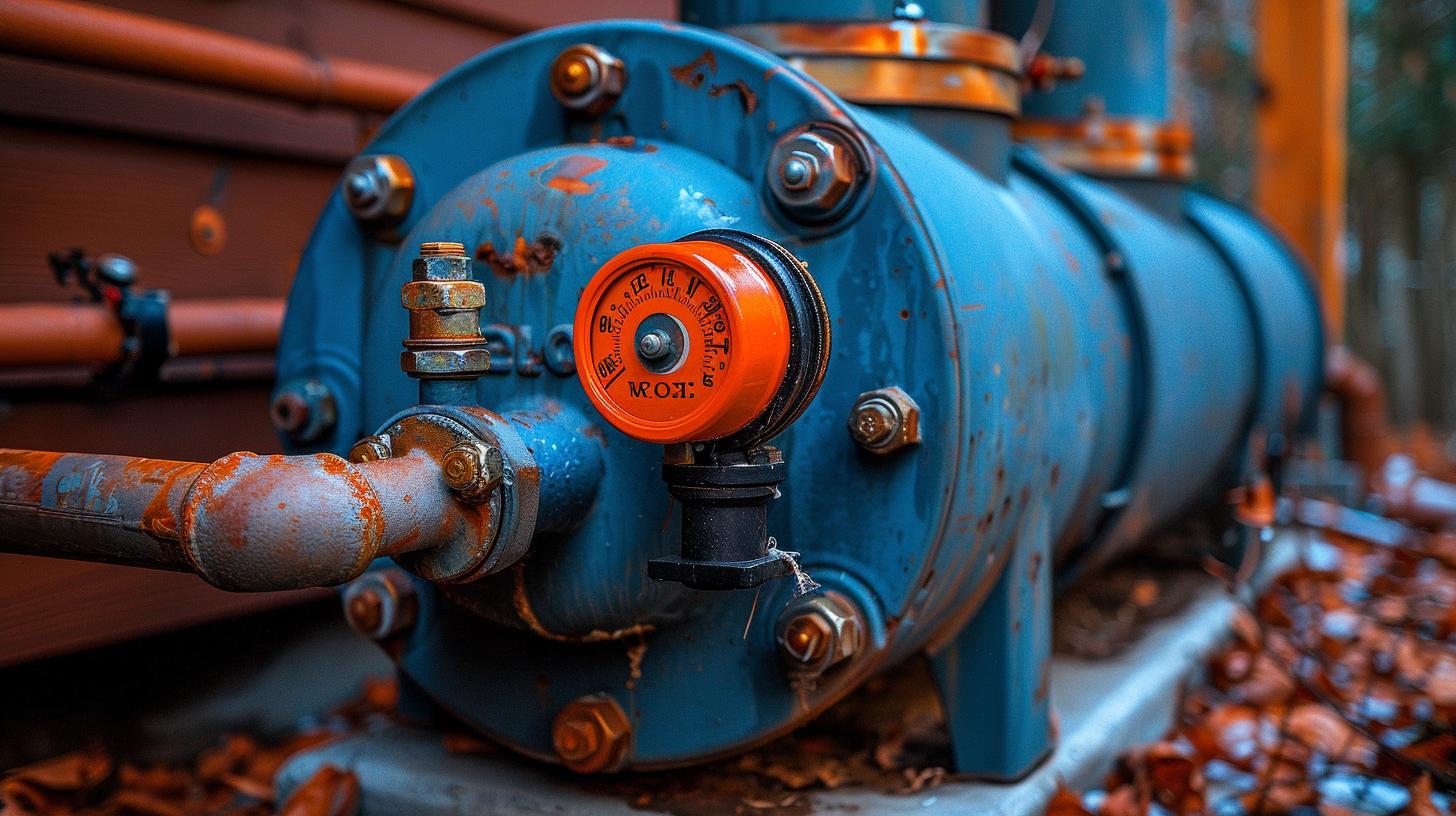
A heatpump is basically a gadget that moves heat from one location to an additional. It can take in heat from the air or ground outside your home and launch it inside during winter months while doing the opposite in summertime. This double functionality is what makes it different from standard cooling and heating systems.

How Does Heatpump Technology Work?
The operation of a heat pump involves 4 main components:
Evaporator Coil: Absorbs heat from the environment. Compressor: Rises the temperature of the absorbed heat. Condenser Coil: Releases the warmed air right into your home. Expansion Valve: Manages the flow of cooling agent within the system.The intermittent process allows for both home heating and cooling down capacities with marginal energy consumption.
Why Pick Heat Pumps Over Traditional Systems?
- Energy Efficiency: As stated earlier, heatpump are extremely efficient because of their approach of transferring as opposed to generating heat. Cost Savings: Although preliminary costs could be higher contrasted to traditional heating unit, long-term financial savings on energy bills make it a financially sound choice. Environmental Impact: Lower carbon discharges contribute to minimizing your carbon footprint. Versatility: One system can take care of both heating and cooling down demands throughout the year. Longevity: With appropriate maintenance, heat pumps can last up to 15 years or more.
Understanding Various Kinds of Heat Pumps
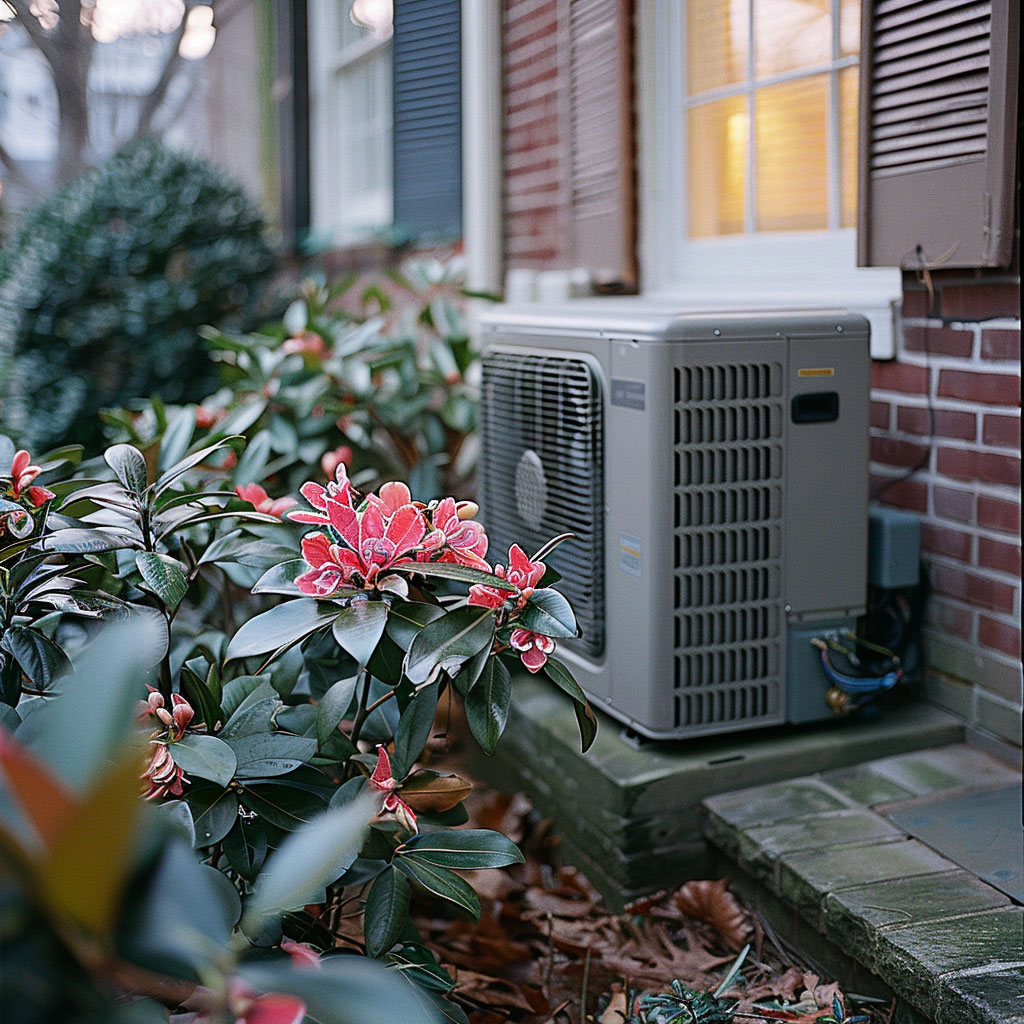
Air Source Warmth Pumps
These are the most usual types that draw out warmth from outside air even when temperature levels are low.
Ground Source (Geothermal) Warmth Pumps
These systems utilize below ground thermal energy and are extremely efficient but featured higher setup prices due to extensive ground excavation.
Water Resource Warmth Pumps
Ideal for homes near water bodies, these systems remove thermal energy from water sources.
Heat Pump Setup Process Explained
Step 1: Analyzing Your Needs
Before any setup happens, it's critical to assess your details heating & cooling demands. Consulting with a skilled HVAC contractor can help identify the ideal dimension and kind of system for your space.
Step 2: Selecting a Heating And Cooling Company
Selecting a reputable HVAC company near you is vital for quality installation. Search for business with strong evaluations like "HVAC Company Boise" or "HVAC Contractor Boise." They ought to have experience in setting up different sorts of cooling and https://squareblogs.net/belisacxxk/furnace-installation-key-factors-to-consider-for-property-owners heating systems including furnace replacement or central air conditioning service.
Step 3: Preparing Your Home
Ensure that your home's insulation suffices prior to installment begins. Correct insulation optimizes effectiveness by avoiding thermal loss.
Step 4: Installation Day!
On this day, experts will certainly set up outdoor and indoor devices according to producer requirements and neighborhood codes. The procedure normally includes:
- Mounting outside units Installing indoor air handlers Connecting cooling agent lines Ensuring electric connections are safe
Step 5: Testing System Performance
Once set up, service technicians will certainly run tests to make certain everything operates smoothly. They'll check air movement rates, thermostat function, and general performance levels.
Heat Pump Upkeep Tips for Longevity
To maintain your new system running efficiently over time, regular maintenance is essential:
Schedule annual HVAC maintenance near you. Change filters every 1-- 3 months. Clean outdoor units regularly. Ensure clear accessibility around all units for airflow. Keep track of any unusual sounds or functional concerns-- do not hesitate to require emergency furnace repair if needed!Common Mistaken beliefs About Warmth Pumps
Myth # 1: They're Ineffective in Cold Weather
Contrary to this idea, contemporary heatpump are created effectively enough to operate even when temperatures dip listed below freezing!
Myth # 2: They're Too Expensive
While preliminary expenses may be higher than traditional systems, the lasting cost savings in power expenses normally exceed these upfront expenses.
FAQs Regarding Heatpump Installation
How much does it set you back to install a warm pump?- Costs differ based upon dimension and kind however generally range in between $3,500 - $8,000 consisting of labor.
- Sizing depends on square video; getting in touch with an HVAC contractor near you guarantees accurate estimations utilizing Hands-on J methods.
- While DIY installments may be alluring, it's recommended to work with specialists for safety reasons and warranty protection.
- With correct treatment & & maintenance plans from an HVAC company Boise location professionals suggest regular checks yearly; life-span normally ranges from 10-- 15 years depending on usage conditions!
- Yes! Numerous states offer incentives or tax obligation credit reports for energy-efficient upgrades including setting up certified versions so check neighborhood resources!
- Regular filter adjustments & & annual tune-ups by certified professionals ensure optimum efficiency throughout its lifecycle!
Conclusion
In final thought, purchasing a heat pump installation stands for not simply an upgrade in home comfort yet likewise straightens very closely with modern-day values relating to sustainability and financial performance-- making it certainly a clever option! By recognizing just how these systems work and acknowledging their advantages over typical ones along with proper aftercare via certified company such as emergency furnace repair options close by you'll guarantee optimal rois while appreciating year-round climate control without breaking savings account down line too much either way!